
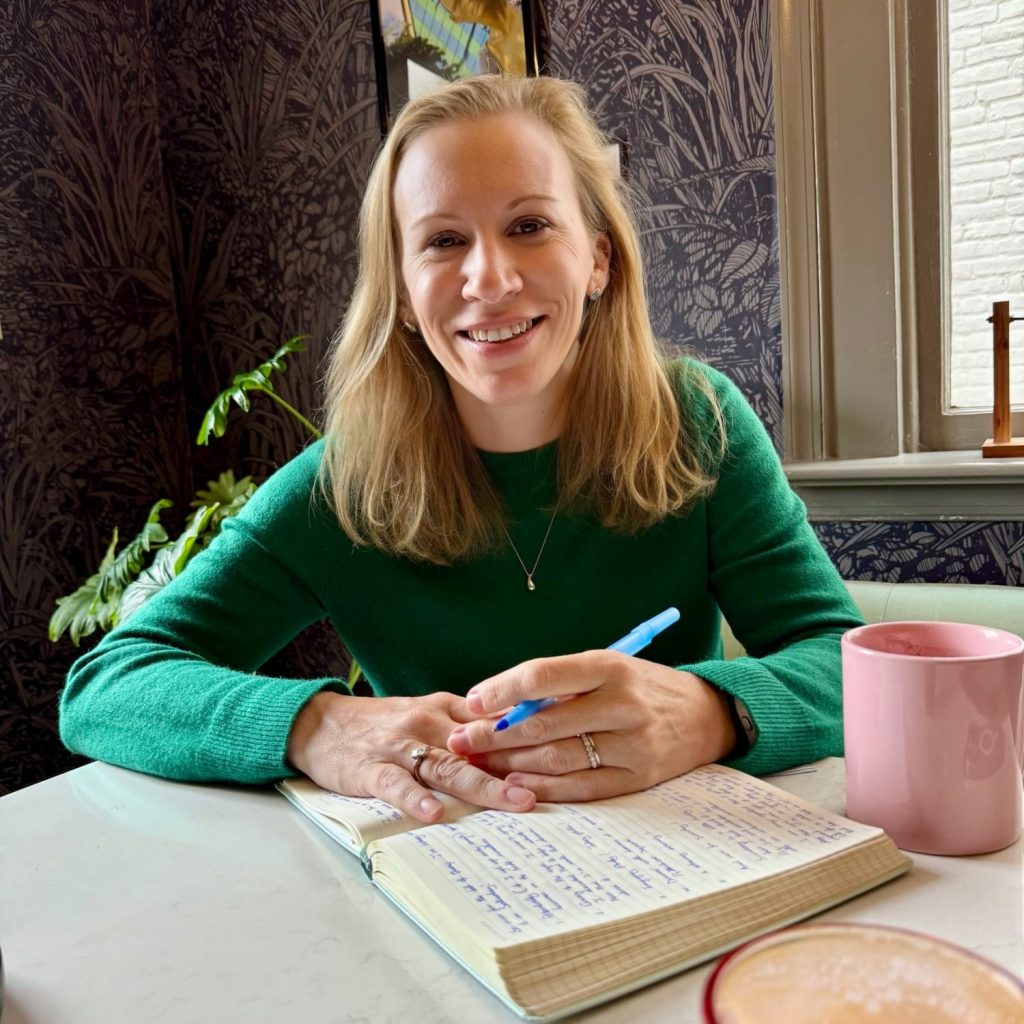
I was listening to a podcast yesterday during my strength workout, Diary of a CEO, where Steven Bartlett was interviewing James Clear, the author of Atomic Habits.
I read Atomic Habits a few years ago and found it incredibly helpful. It’s one of those books that quietly changes the way you think, rather than shouting at you to overhaul your life overnight. As I listened to James Clear talk through his ideas again, one concept really stuck with me:
To be consistent and build new habits, you need to prime the environment.
That idea feels far more practical (and kinder) than setting big, shiny New Year’s resolutions that rely heavily on motivation and willpower — both of which are famously unreliable. So instead of writing a post about resolutions, I wanted to share this concept of environment design, and how it can make habits feel easier, more sustainable, and far less exhausting.
What Does “Priming the Environment” Actually Mean?
Priming the environment means intentionally designing your surroundings so that good habits are easier and bad habits are harder.
In James Clear’s words, it’s about reducing how much willpower you need by:
- creating obvious cues for the habits you want
- removing friction and barriers
- making the “right” choice the default option
In other words: stop relying on motivation, and start setting yourself up to succeed.
I’ve heard this referred to as “resetting the room”, but I prefer to think of it as removing or adding barriers to success.
The Four Ways to Prime the Environment for Good Habits
1. Make it Obvious
Put visual cues for good habits right where you’ll see them.
Example:
Lay your workout clothes out beside the bed before you go to sleep. When you wake up, there’s no decision to make and no rummaging around because the cue is right there.
This works for all sorts of habits: a book on your pillow if you want to read more, a water bottle on your desk if you want to drink more water, or your coat and sneakers by the door if you want to walk more.
2. Make it Attractive
Pair something you need to do with something you want to do.
Example:
Only watch your favourite TV show while you’re ironing or folding laundry.
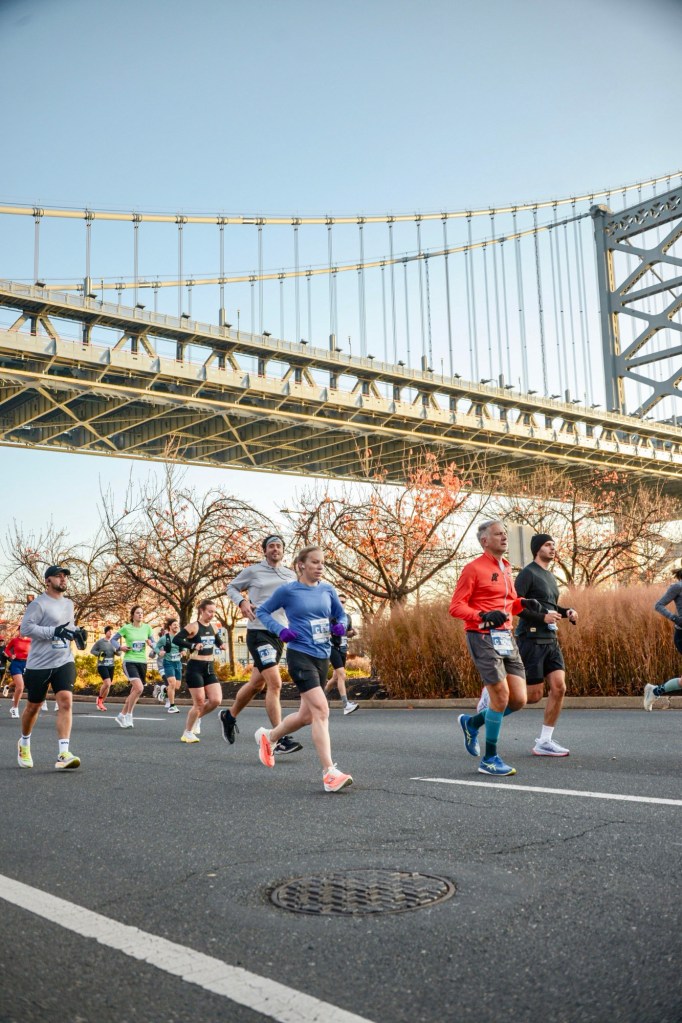
This is sometimes called “temptation bundling”, and it’s incredibly effective. Suddenly, the boring task becomes something you look forward to rather than avoid. I only listen to my favourite podcasts when running. No run = no podcast, and I enjoy them so much that I’ll get out the door to catch up with them.
3. Make it Easy
Reduce the friction required to start the habit.
Example:
Keep your Kindle (charged) on the sofa rather than tucked away in a drawer. When you sit down to relax, reading becomes the easier option, and doomscrolling becomes slightly less automatic.
If a habit feels hard to start, look at what’s in the way. Often it’s not the habit itself, but the setup.
4. Make it Satisfying
Create an immediate reward so your brain gets positive feedback.
Example:
Track your progress with a habit tracker or app. Seeing a streak build, whether that’s steps, runs on Strava, or days you’ve stretched, is surprisingly motivating. We’re far more likely to repeat behaviours that feel rewarding now, not just in some distant future. One of the reasons I enjoy posting my runs on Instagram is because of the community it builds and the instant conversation around them – that’s very satisfying to me! You can’t post if you haven’t actually done the work and taken the picture!
Using the Inverse to Break Bad Habits
You can also prime your environment to discourage habits you’re trying to break.
Make it Invisible
Remove cues for behaviours you want to do less of.
Example:
If you keep snacks you’re trying not to eat in the house (perhaps they are for your kids), put them on a high shelf, out of sight and out of easy reach. If you don’t see it, you’re less likely to think about it. Also put a fruit bowl out on a spot you walk past all the time, such as the dining table. You’ll reach for the fruit before the granola bar. Also consider taking a piece of fruit or healthy snack with you when you leave the house you’re not tempted (like me) to pop into a store to get a chocolate/candy bar.
Make it Difficult
Add friction to habits you want to reduce.
Example:
Put a credit card in a block of ice in the freezer. You can still use it, but the pause gives you time to think before spending impulsively. I did this after university when I was trying to pay of my student loans. I wanted a credit card for emergencies, but I didn’t want the temptation of having it easily accessible.
How I Prime the Environment in My Own Life
When I started thinking about my own habits, the ones that stick and the ones that don’t, I realised something interesting.
In the areas where I’m consistent, I prime the environment a lot. And in the areas where I struggle, I usually don’t.
Here are a few examples from my own life.
To Make Sure I Work Out
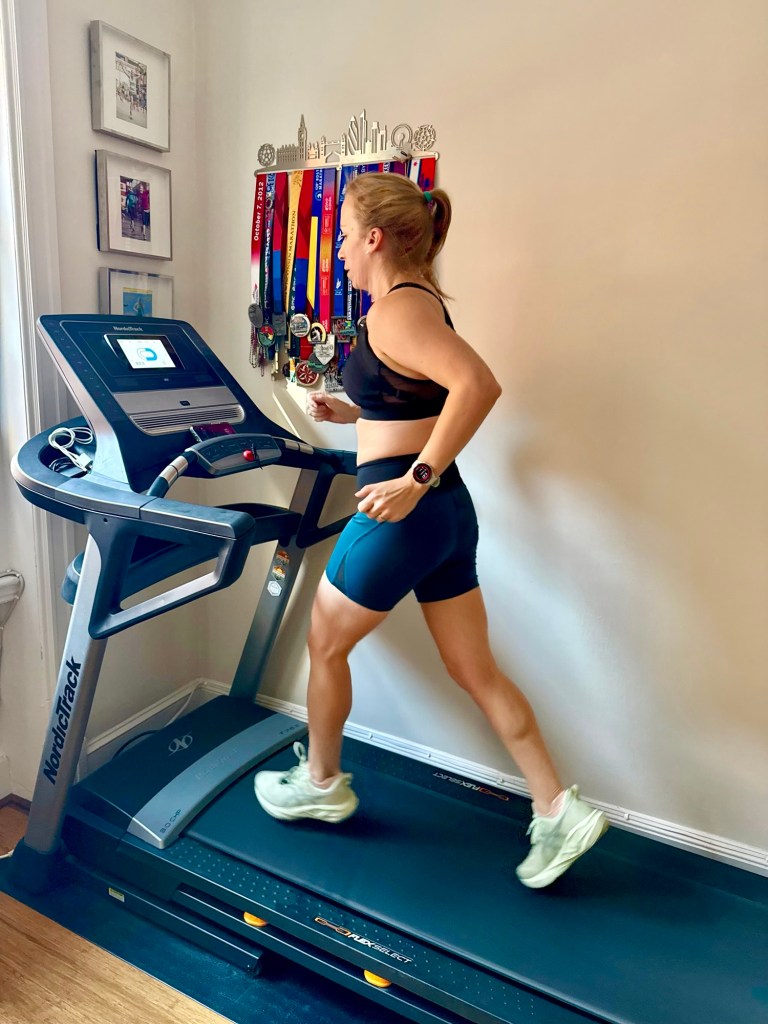
- I pick my workout outfit the night before and lay it out, including things such as Glide, gels, gloves, hats etc.
- I choose my podcast earlier in the day so I know exactly what I’ll listen to.
- I charge my watch and my headphones – the chargers live plugged in, by the couch.
- I plan my running route, especially if I’m away from home.
- I write out my strength workout or choose a programme in advance.
None of these things require motivation — they just remove excuses.
To Remember My Medication and Supplements
- I organise everything into containers on Sunday nights.
- I keep my creatine powder on the kitchen counter so I don’t forget it exists. I then add it to a glass of water sometime during the day.
- I keep my sports bottle handy so making a long drink feels easy.
Out of sight really does mean out of mind, so keep the things that contribute to positive habits visible.
To Be Ready for Work on Time
- I lay my work outfit out the night before so I can step straight into it.
- I keep my makeup organised so I don’t need to rummage for things.
- I keep my laptop, notebook, charger and pen together on my desk – easy to get out and put away.
- I scan my calendar the day before so I know what’s coming up.
- I update my task list at the end of each day so I can tackle urgent items first thing the next morning, before the day derails me.
This saves far more mental energy than it costs. The ten minutes prep at the end of the work day for the following morning is really worth it.
To Travel More
- My husband and I map out the year ahead together so we can take advantage of federal holidays.
- We book flights and accommodation early to avoid stress and inflated prices.
Good habits don’t just apply to fitness — they apply to life!
To Eat More Healthily
- I plan meals for the week on Sunday with my husband and we grocery shop on Sunday afternoons.
- My husband batch cooks ahead of time (I’m not a cook, but my husband is, thank goodness!).
- I decide breakfast, lunch and dinner the night before.
- I put snacks for the day on the counter so I’m not constantly reaching for biscuits.
Again, the environment does the heavy lifting so that my options aren’t wide open each day, allowing for poor choices.
To Journal
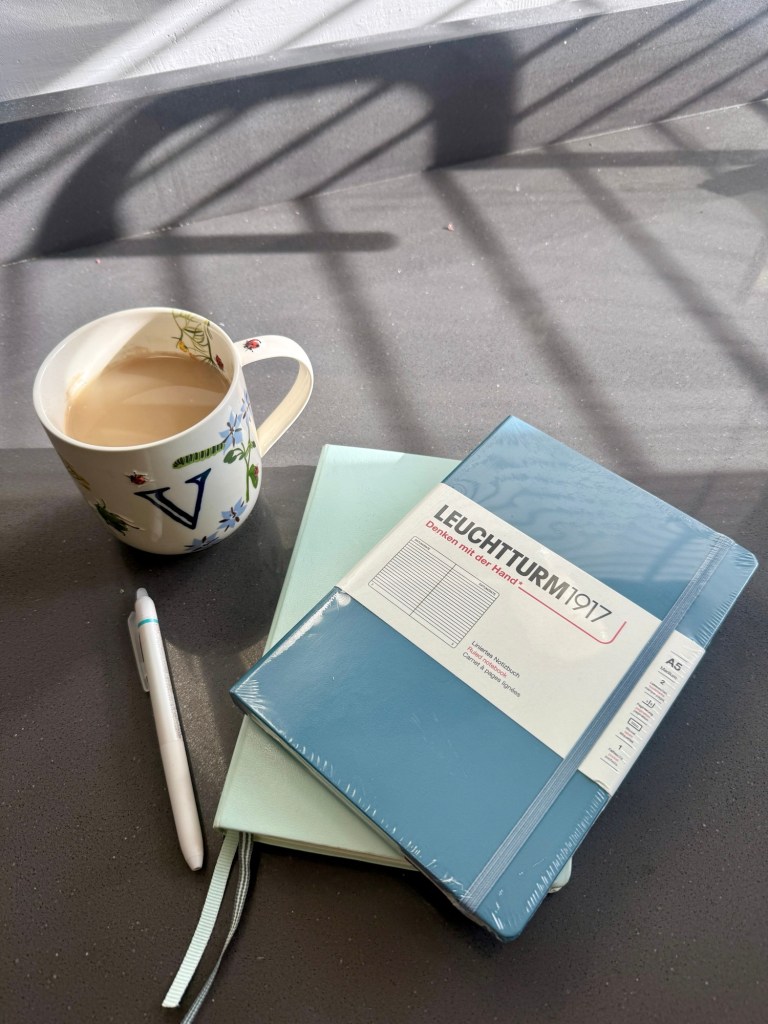
- I buy a new journal just before the old one finishes so I don’t break my streak/habit.
- I purchase one that can fit in my bag so I can take it with me when I go out for coffee in case I have a few spare minutes.
- I pack it for all journeys and vacations and plan to write in it on plans and trains.
- I keep it out 24/7 with a pen right next to it.
I’ve been journaling for over ten years, so this seems to be working for me!
A Habit I’m Working On This Year
This coming year, one habit I want to improve is tracking my money and spending more wisely. I’ve tried to do it in the past, but never really organised myself well enough to make it happen.
Instead of vaguely telling myself to “be better with money”, I’m priming the environment:
- I’m setting up a simple budget template.
- I’ve blocked 45 minutes in my calendar at the end of each month to review my spending.
- From there, I’ll create categories and allocate realistic budgets.
I’m almost 100% sure that having this structure in place will help me save and invest more, without relying on willpower alone which didn’t work so well in 2025.
Final Thought
If you’re feeling resistant to New Year’s resolutions this year, you’re not failing, you’re just human. It can feel empowering setting goals, but it can also feel exhausting year after year.
Rather than asking “How can I try harder?”, a more helpful question might be:
“How can I make this easier?”
Sometimes the smallest environmental changes create the biggest, most lasting habits.
If you picked just one habit to focus on this year, what’s one small change you could make to your environment today to make it easier, not harder, to stick with?


Leave a Reply