Final Thoughts
I’m so glad we finally made the climb. It was a personal milestone, a nostalgic reconnection with my roots, and a surprisingly challenging bit of exercise, all rolled into one. I’d recommend it to anyone visiting Shropshire, whether you’re a seasoned hiker or just fancy a beautiful walk with a healthy dose of history.
And if you do reach the top, take a moment to look out across the hills, breathe it all in, and think of the centuries of footsteps that brought others to that same spot.

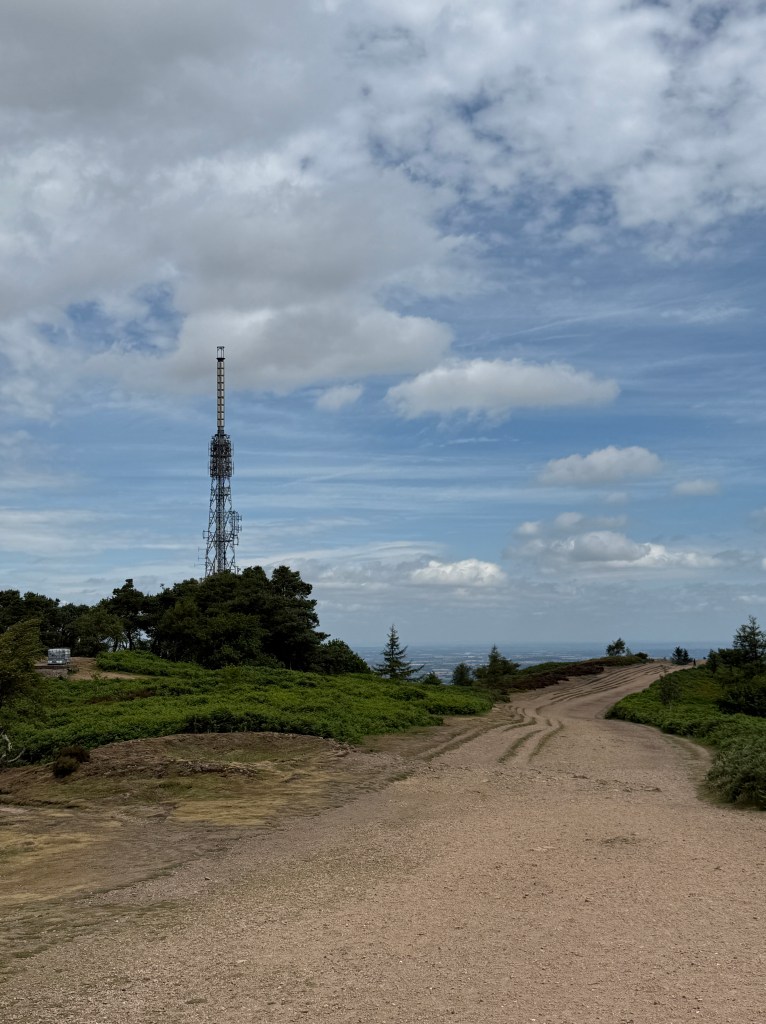
For as long as I can remember, I’ve driven past The Wrekin, a striking landmark in my home county of Shropshire. It was a familiar sight on childhood car journeys to Telford with my mum, on the way to do some shopping or head off on a weekend outing. I also saw it as we passed on the train as we headed for trips to Birmingham or London. With its tall mast rising from the summit, it always held a certain mystique for me. My parents once explained that it was how most of Shropshire (and even parts of Wales) got their TV signal, which only made it seem more important in my young mind.
Despite growing up surrounded by natural beauty, we weren’t an especially outdoorsy family. So while I admired The Wrekin from afar for years, I never actually climbed it. That curiosity, about what it looked like from the top, how it would feel to walk its trails, stayed with me into adulthood.
Finally, on a recent trip back to Shrewsbury, I finally ticked it off my list.
The Hike: A Steeper Challenge Than Expected
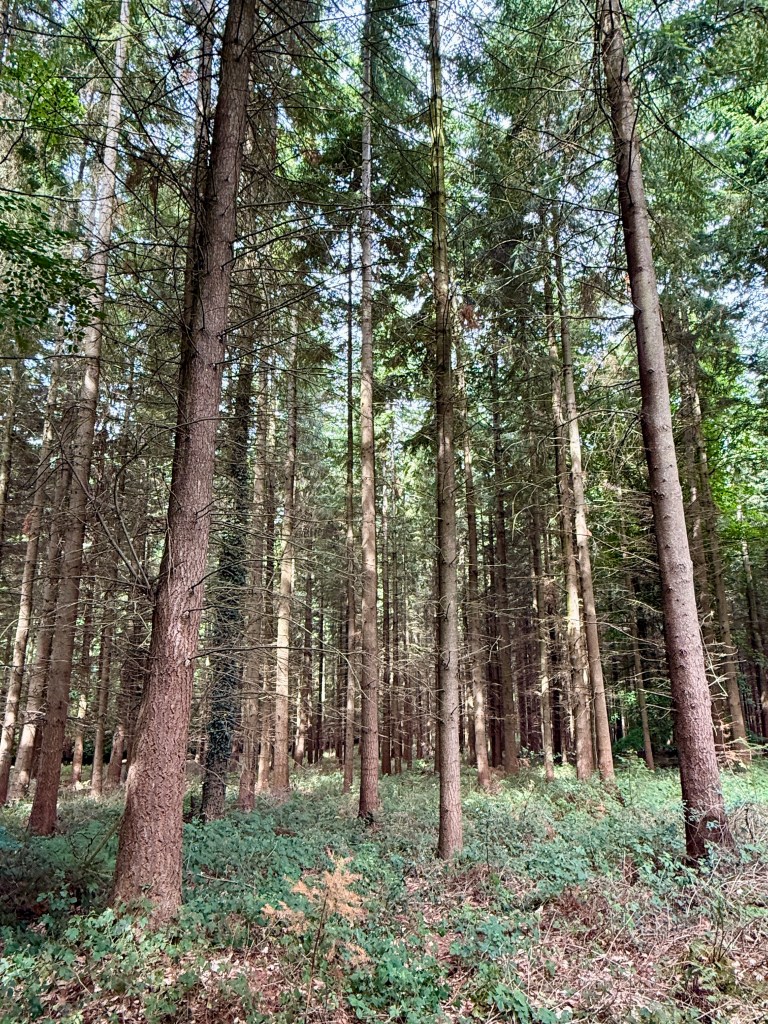
My dad, now almost eighty, opted to stay behind with the car (and some admin to keep him busy), while his partner Ruth, my husband Alex, and I took to the trail. We chose the “medium” route, a four mile circular path that skirts Little Wrekin before heading up to the summit. It took us just over two and a half hours, with plenty of pauses for photos, snacks, and admiring the views. Honestly, for the medium route, it felt quite challenging!
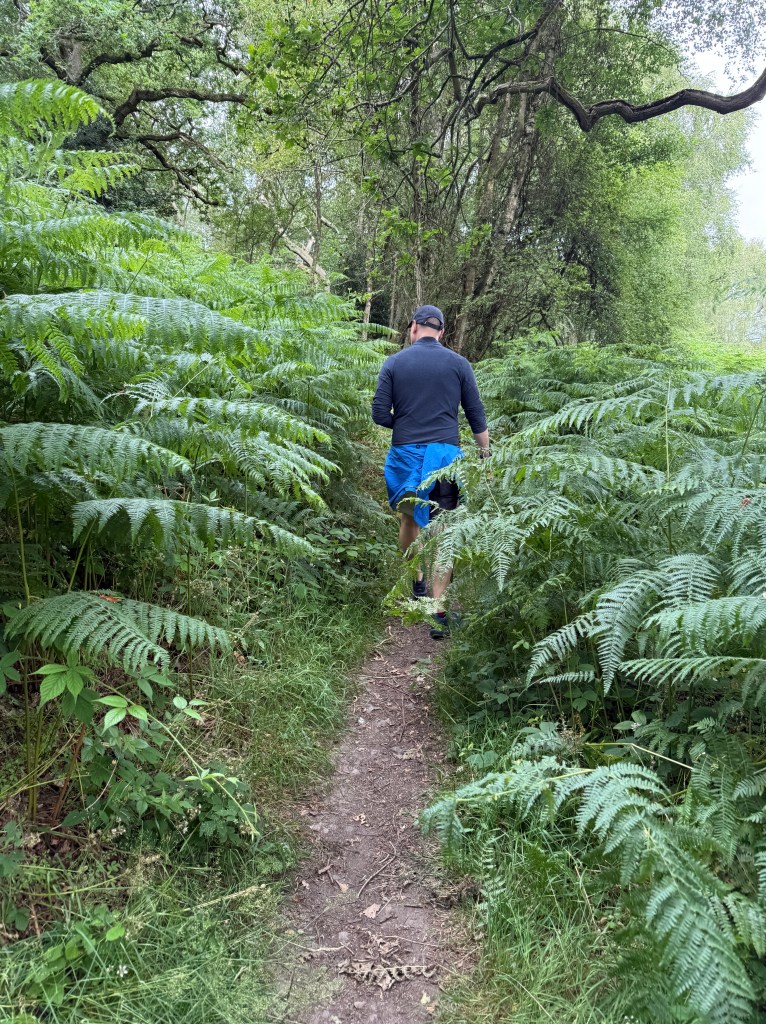
The path starts out steep and doesn’t fully let up – definitely more of a workout than I’d anticipated. I was in running shoes, not ideal for dry and dusty trails, and had to tread carefully on the slick, uneven ground. That said, we were blessed with dry weather and met some friendly fellow hikers who helped us identify the towns and landmarks visible from the higher elevations. We met one man who had hiked over it thousands of times as he lived near the bottom!
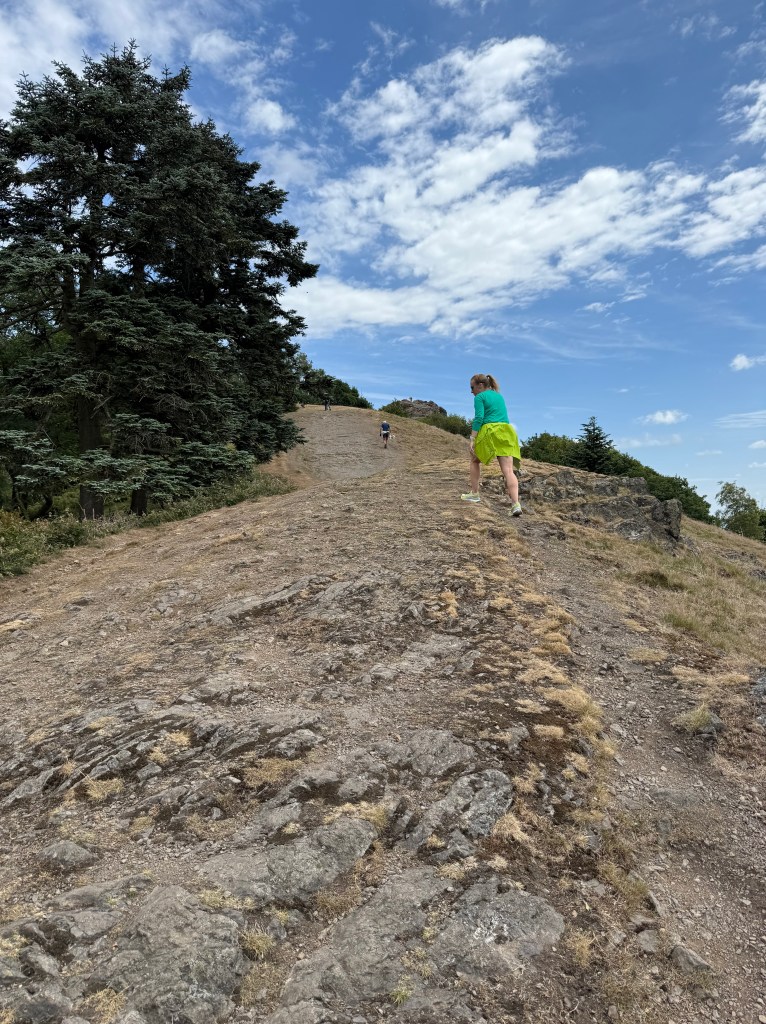
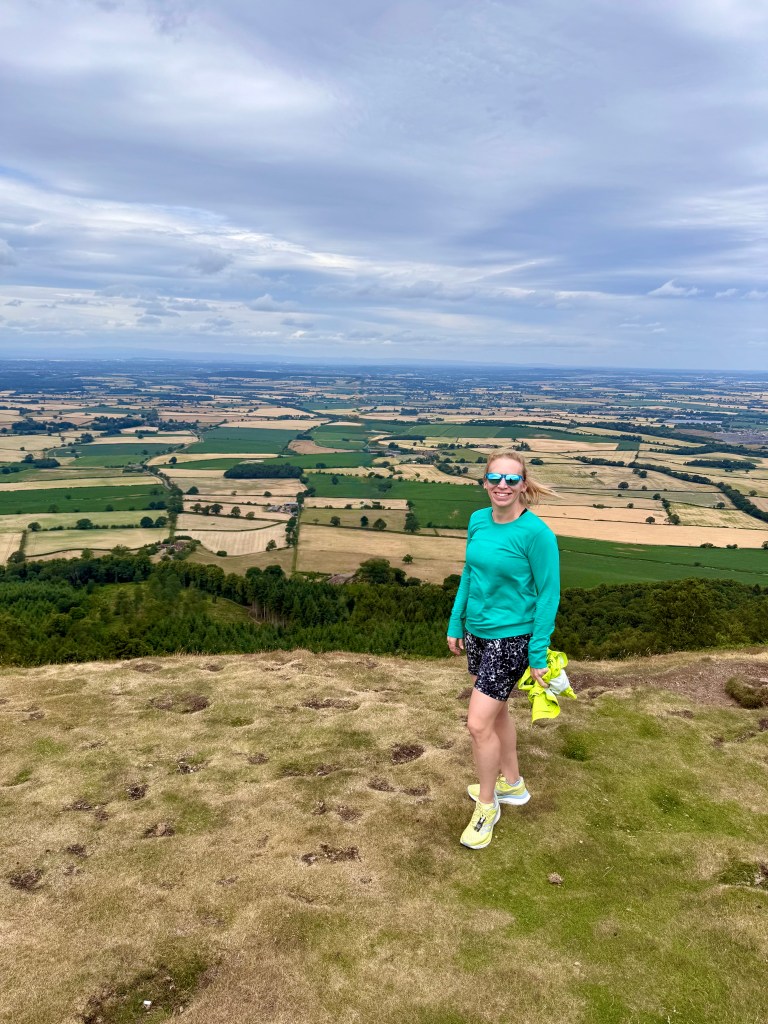
At the summit, it was bright and breezy, borderline blustery, in fact, and I was grateful for the light windbreaker I’d packed. It was fluorescent yellowy green – great for the dark roads in Washington, DC, but a little more conspicuous than I would’ve liked for the Shropshire hills.
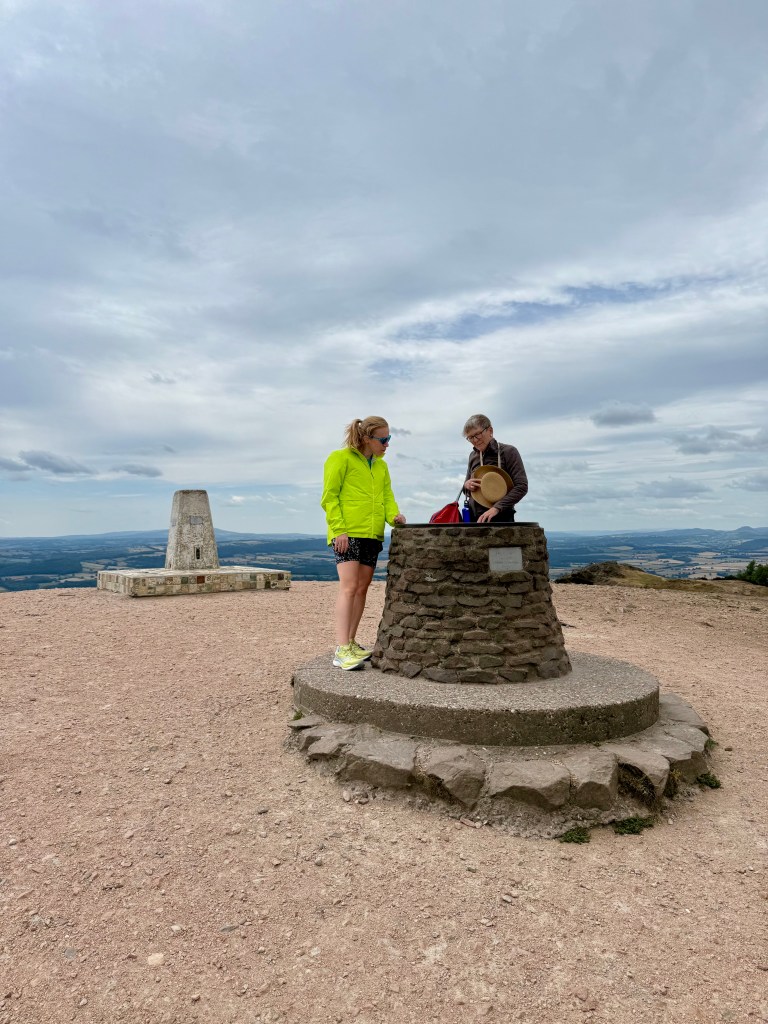
The views were absolutely worth the effort: a panoramic sweep across Shropshire’s rolling hills, villages, and woodlands. It’s hard to describe the feeling of standing up there, thinking about how many people have hiked those same trails over the centuries, seeing more or less the same horizon.
A Bit of History and Local Lore
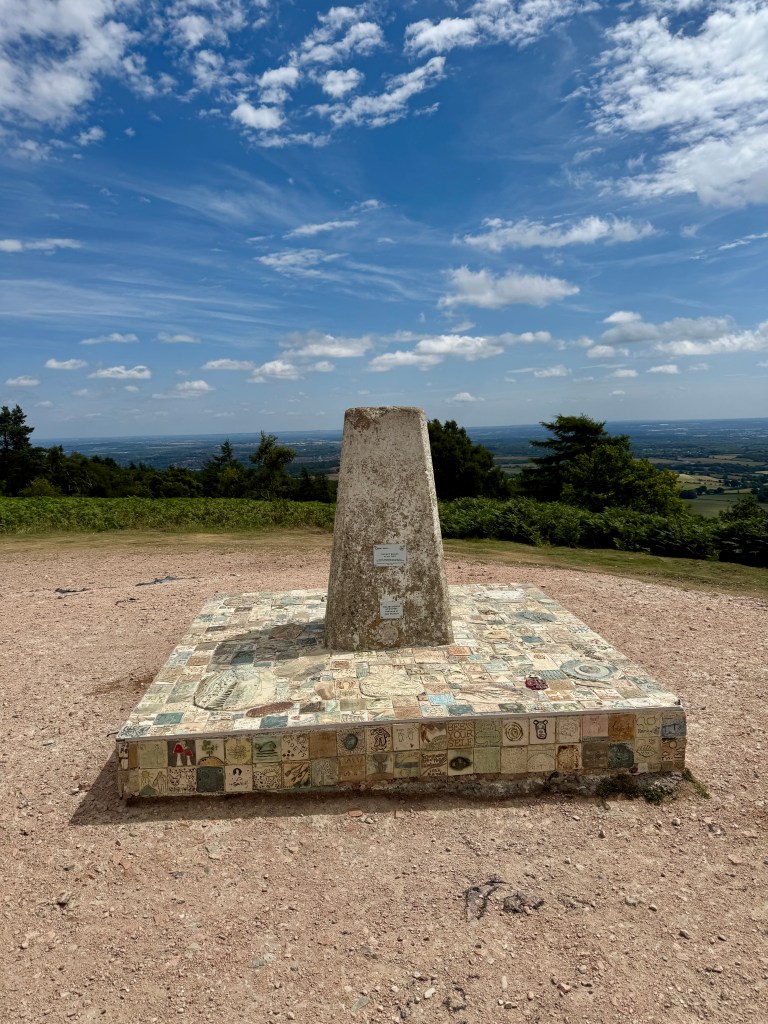
The Wrekin (pronounced REE-kin) rises 407 metres (1,335 feet) above sea level and is one of the most prominent hills in Shropshire. It’s located just west of Telford and is considered the gateway to the Shropshire Hills Area of Outstanding Natural Beauty.At the summit lies the remains of an Iron Age hill fort, thought to have been built by the Cornovii tribe. This was possibly their capital before the Romans stormed it in AD 47 and relocated the tribe to nearby Wroxeter, then known as Viroconium Cornoviorum. Today, the site still gives a strong sense of ancient presence, with natural rock formations and hilltop features rich in local folklore. I can definitely see why they chose this place – it has excellent visibility for miles!
One such ancient feature is the so-called “Raven’s Bowl,” a natural hollow in the rock where tradition says you should leave a pin for good luck – unfortunately we didn’t see it, but I wish I had! It’s also said that on Easter morning, you can see the sun “dance” as it rises, a long-held belief that inspired early risers to hike up before dawn. Even Charles Dickens was charmed by The Wrekin. After visiting the nearby Roman ruins in Wroxeter in 1859, he wrote about threading the Needle’s Eye and dipping into the mystical eagle’s bowl, both references tied to the hill’s legends and geography.
Practical Tips for Visiting
- There’s a small car park at the base of the hill, with payment options available via phone or credit card. You can park for a maximum of four hours, which is plenty, even for slow walkers and those who are making a picnic lunch stop en route.
- Parking on the roadside is possible but not recommended as tickets are reportedly common!
- Wear proper footwear. While the trail is well-trodden, it’s steep in places and can be slippery in both wet and dry conditions. My running shoes were ok, but I wish I’d had hiking shoes or something with better grip.
- Bring layers! Even on a sunny day, the summit can be windy and cool. I wore shorts and a long sleeved top, and tied my jacket around my waist.
- Take snacks or a flask of tea to enjoy at the top – it’s a satisfying way to soak in the views. The hike also takes longer than you think as all the stopping and photography takes time. 😉
If you’re planning a visit, the Explore The Wrekin website is a great resource for maps, walking routes, and local information.
Final Thoughts
I’m so glad we finally made the climb. It was a personal milestone, a nostalgic reconnection with my roots, and a surprisingly challenging bit of exercise, all rolled into one. I’d recommend it to anyone visiting Shropshire, whether you’re a seasoned hiker or just fancy a beautiful walk with a healthy dose of history.
And if you do reach the top, take a moment to look out across the hills, breathe it all in, and think of the centuries of footsteps that brought others to that same spot.
 trainingwithvicky.com
Leave a comment