

Training for a marathon during winter can be a real challenge. The dark mornings and evenings, coupled with unpredictable weather, can easily derail your plans for long runs and speed workouts. So, how can you stay consistent and on track when nature isn’t cooperating? While I always prefer running outdoors, I know my limit – I won’t run in a storm or risk icy conditions. It’s simply not worth jeopardizing my long-term goal of building endurance and staying healthy if I’m putting myself at risk of injury.
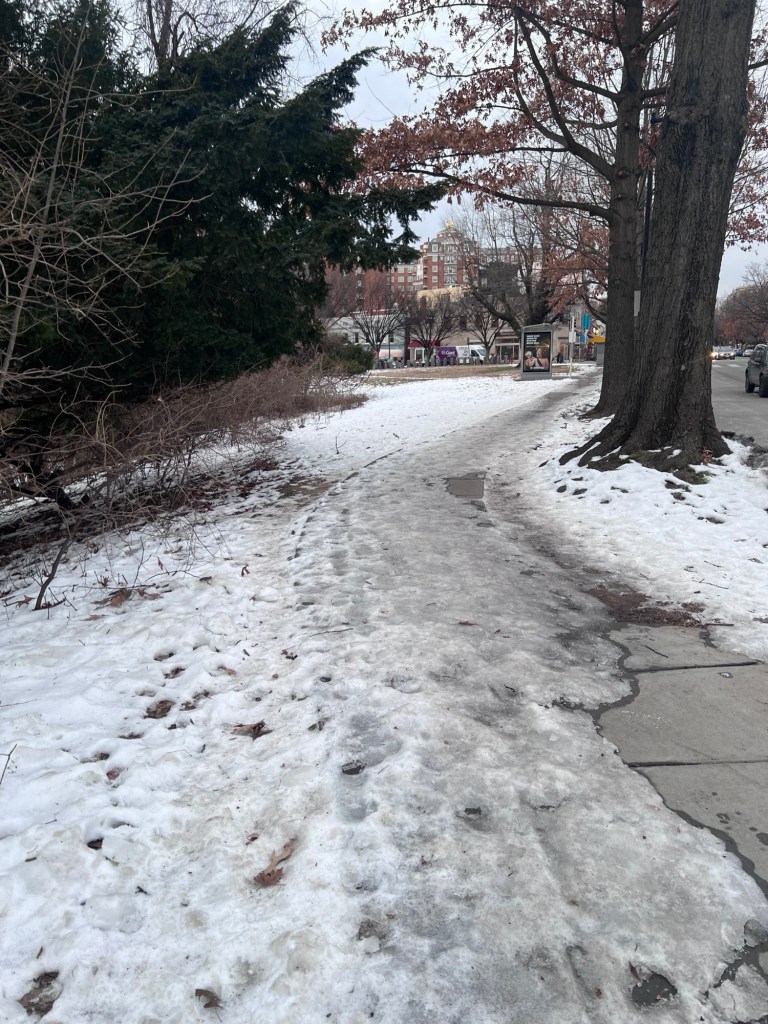
This winter in DC has been the snowiest I’ve experienced in my five years here. Almost every week since Christmas, we’ve had snow. Although the city is quick to clear the roads, sidewalks and paths often remain neglected. For example, the main bridge from our home into the city was iced over for two weeks after the last snowfall, and many residential sidewalks still aren’t cleared. When I lived in Chicago and New York, I was lucky enough to run on trails that were cleared quickly – the Chicago lakefront was in good shape by the day after a snowfall, and Central Park was always plowed. DC is different, so I’ve had to adapt my training to the conditions.
To stay on top of my workouts, I plan my training for the week ahead on Sunday evenings, when the weather forecast is usually reliable. Last week, with snow predicted for Tuesday and Wednesday, I adjusted by prioritizing my outdoor runs on the other days. On Tuesday, I ran on my home treadmill (I’m really lucky to have one) and did a 60-minute session that mixed 7 minutes of easy running with 3-minute tempo surges. On Wednesday, I attended a 50-minute 2G class at Orange Theory. By Thursday, after some rain cleared the snow, I was back running outside.
Here’s what my training schedule for Big Sur looked like last week:
| Monday | 45 minutes of total body strength training at home |
| Tuesday (snow) | 60-minute treadmill run with tempo surges. 7 mins easy/3 mins tempo x 6. |
| Wednesday (snow) | 50-minute Orange Theory 2G class |
| Thursday | 50-minute easy run outdoors |
| Friday | Rest |
| Saturday | 17-mile long run outdoors |
| Sunday | 30-minute easy treadmill run + 45 minutes of arms, abs, and mobility work at home |

If you’re planning your training during winter, here are some tips to consider:
- Plan Ahead, But Stay Flexible: I recommend mapping out your workouts ahead of time on Sunday evenings. However, if something comes up at work or the weather changes, adapt your schedule rather than skipping workouts or piling them into consecutive days (a sure recipe for injury).
- Prioritize Outdoor Runs: Treadmills are great, but there’s nothing like the fresh air and varied terrain of running outside.
- Be Cautious with Speed Work: Even if it seems safe to run outdoors, reconsider doing speed workouts if there’s any hint of ice. In those cases, it might be best to opt for the treadmill.
- Schedule Indoor Workouts on Inclement Days: On snowy, icy, dark, or rainy days, consider hitting the gym or signing up for classes like Barry’s or Orange Theory.
- Dress Appropriately: In addition to warm clothing, consider accessories like YakTrax for extra traction on snow or icy surfaces.
- Stay Connected: Carry your phone so you can call for help if needed. If you don’t like running with your phone, at least bring a credit card in case of emergency.
- Share Your Location: If you use Strava Premium or a tracking smartwatch like Garmin, consider sharing your location with a friend or family member.
- Change your schedule: If you know it’s going to snow in the evening and you have a flexible job/day, move the timing of your run. On a couple of occasions I’ve taken half days on Fridays so that I can get my long run in ahead of weekend snow.
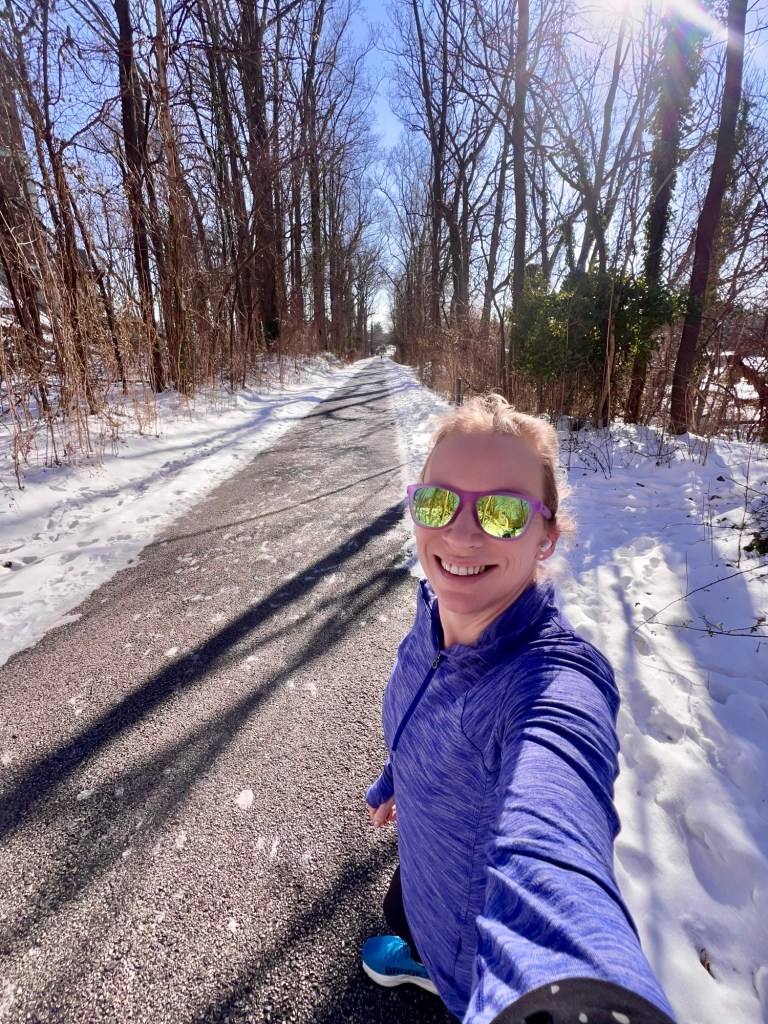
Training for a spring marathon or half is a really great way to stay focused and accountable through the dark, cold winter months. And when you do get the chance to enjoy the outdoors on a sunny day with bright blue skies and crisp snow, it makes all the planning worthwhile. Remember, when the weather gets challenging, be prepared to adapt – and never feel bad about opting for a treadmill workout. Its benefits will help you stay consistent and keep you on track toward your workout and health goals.

Most of what I’ve learned about winter training has come from friends. Do you have any winter running tips you’d like to share with others?
 trainingwithvicky.com
Leave a comment