This past week, I found out that I secured a spot in the Big Sur Marathon through the lottery. I’ve wanted to run Big Sur for a while but missed the lottery last year as I wasn’t paying attention to the dates. When one of my good friends and her husband traveled to California to run it, I experienced a lot of FOMO, so I made sure not to miss the lottery window this time around.
I really appreciated how the Big Sur lottery was organized; the time between submitting my application and finding out that I had been accepted was only two weeks. This is incredibly helpful because if you don’t get in, you still have time to plan for an alternative spring marathon. I honestly didn’t expect to get a spot, considering the small field size—just 4,500 runners—so I feel incredibly lucky! When I got the email, I was really excited, but also a bit worried, knowing the course is hilly and windy. It’s going to require some serious preparation!
Course Elevation Profile:
Start elevation: 356′
Finish elevation: 10′
Total elevation gain: +2,182′
Total elevation loss: -2,528′
Big Sur Marathon has been described as one of the most scenic and challenging marathon courses in the world, located along California’s rugged central coast. I’ve wanted to run it for years, but other plans always got in the way—and then Covid happened. Next year seems like the perfect opportunity, especially since I know a couple people who are also running. It’ll be really fun to plan a trip together and experience it with them.
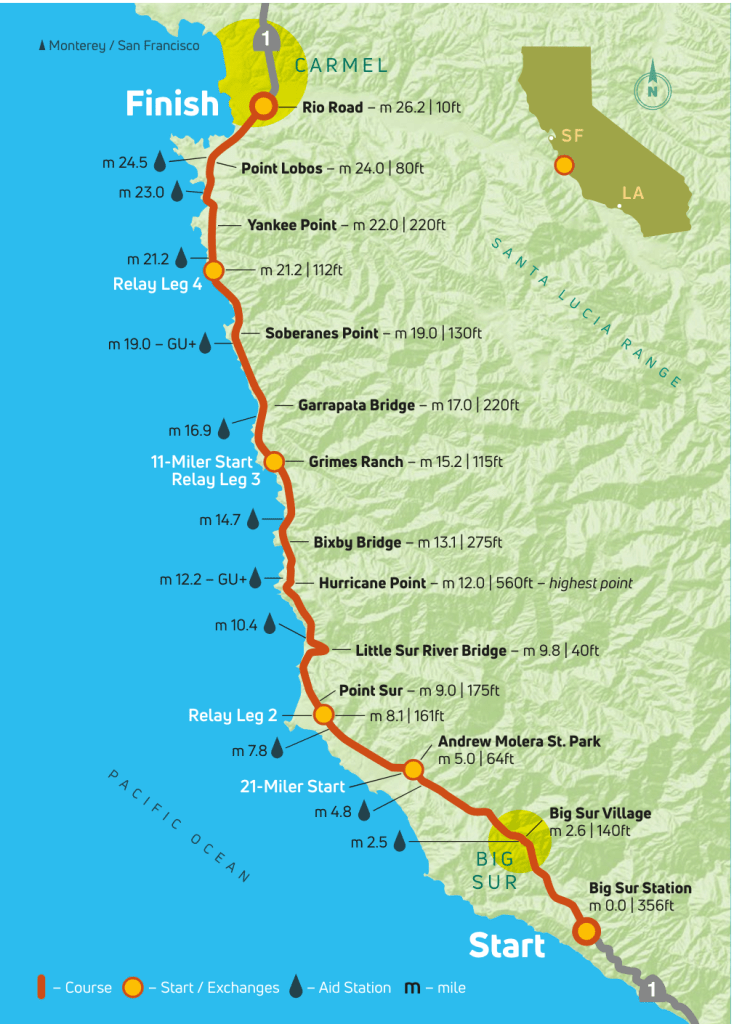
The marathon starts at Big Sur Station in Pfeiffer Big Sur State Park, surrounded by lush greenery, occasional glimpses of the ocean, and towering redwood trees. The course begins relatively gently, winding slightly downhill through the redwood forests.
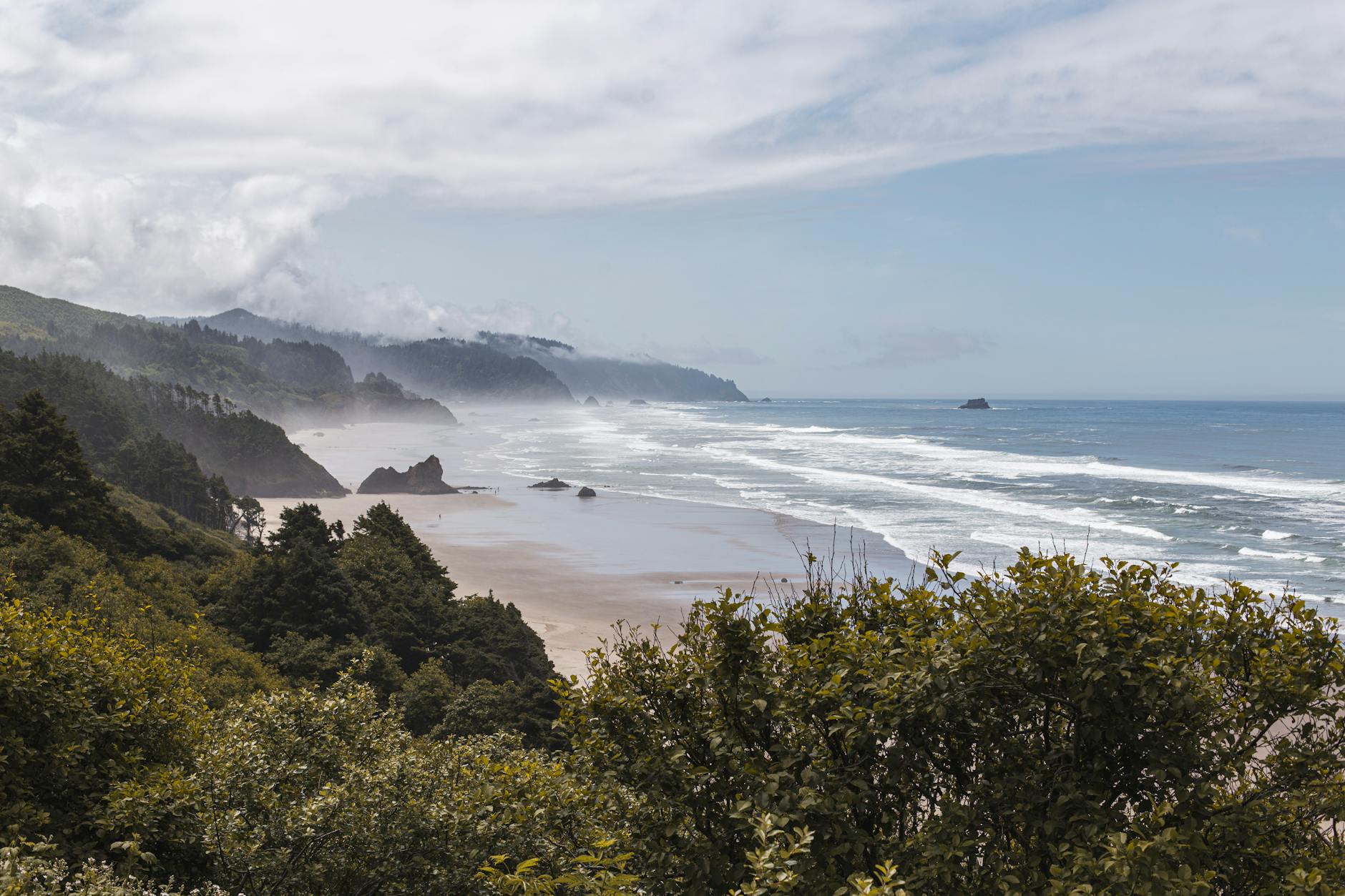
Miles 6-15 take runners along the iconic Highway 1, offering breathtaking views of the Pacific Ocean on the left and the rugged Santa Lucia Mountains on the right. This part of the course features a mixture of steep drop-offs to the ocean and dramatic cliffs—I can’t wait to see them!
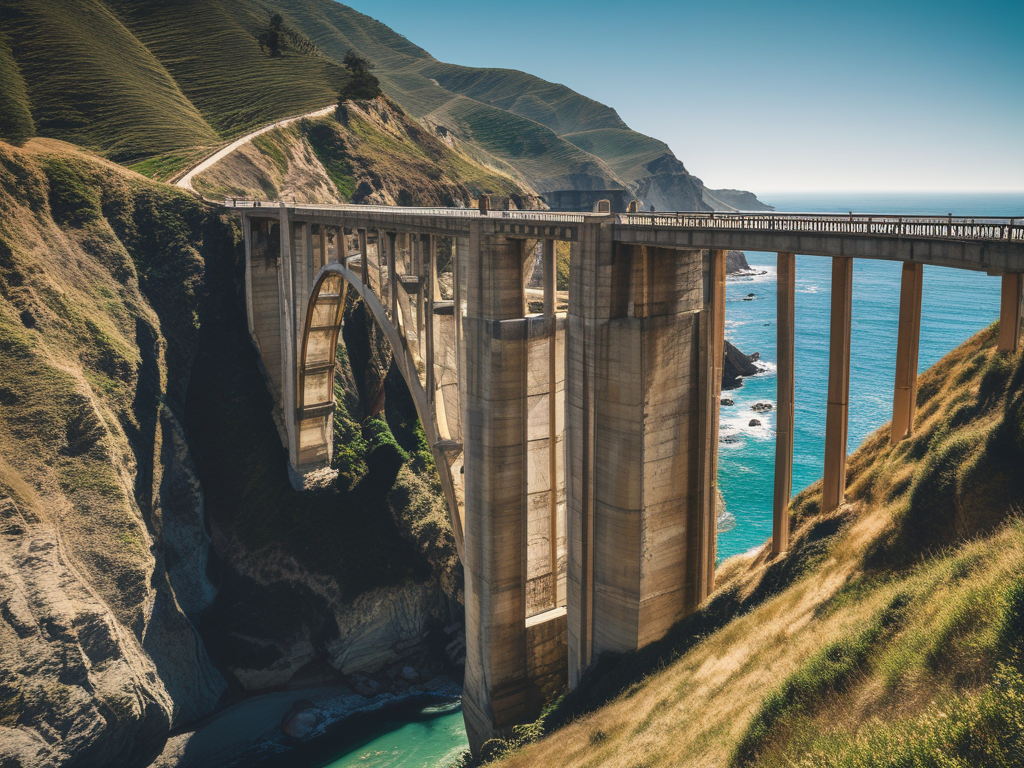
One of the things I’m most looking forward to is running across the Bixby Creek Bridge at the halfway point, one of the most famous landmarks on the course. I’ve heard that the historic bridge offers stunning views, and many runners slow down to take in the incredible scenery while a pianist plays on a grand piano! (I’d love to know how they manage to get the piano up there.)
The part of the course I’m most nervous about is just after Bixby Creek Bridge: the climb to Hurricane Point. I’ve been doing some research and learned that this is a long, steady incline that rises over 500 feet in about 2 miles. Apparently, the winds can be strong too, adding to the difficulty. I’m going to scout out similarly graded hills in Washington, DC and add them to my training plan to prepare!
From miles 16-22, the course continues along the coastline, offering more stunning ocean views and rolling hills. The terrain remains hilly, with several more climbs and descents. I’ve heard that the road can be cambered, which I’ll need to consider during training to avoid sore knees and IT bands. If you have any tips to avoid this, please let me know, as it’s not something I’ve encountered before.
The final stretch of the marathon moves a little further inland before heading back out to the coast, passing through the beautiful town of Carmel, where the crowds are there to cheer (they can’t cheer anywhere else along the course). Finally, runners pass Rio Road in Carmel-by-the-Sea and are greeted by enthusiastic spectators, live music, and a vibrant post-race festival. After all those hills, I’ll definitely be ready to celebrate!
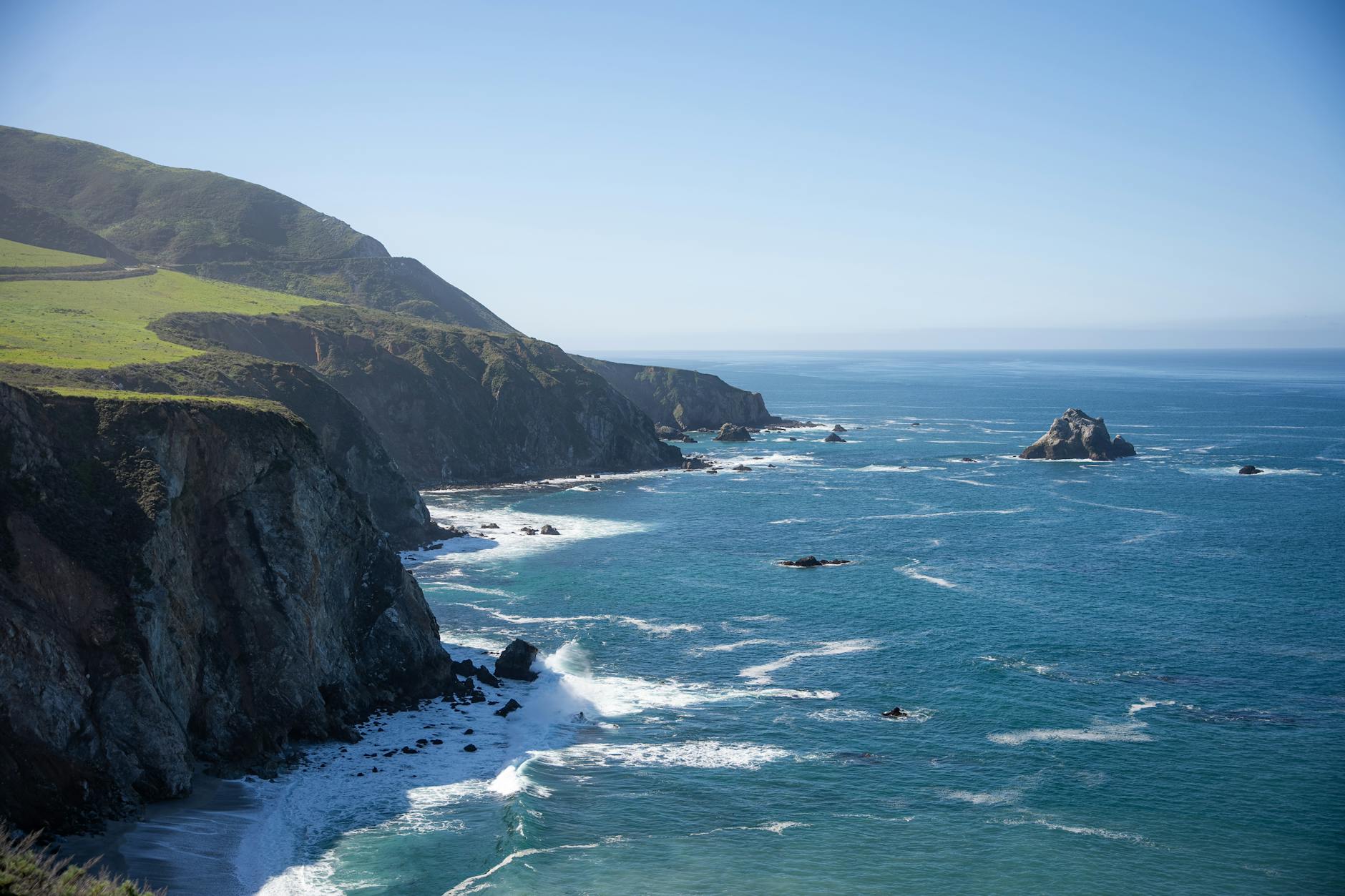
I’m excited to run the Big Sur Marathon, especially since we’re turning it into a mini vacation. We’re planning to travel to San Francisco, rent a car, and drive down to Monterey to meet friends. I can’t wait to see the beautiful coastline, spend time with wonderful friends, and run a challenging yet incredible course. The race organizers also offer different distances on the same day along parts of the same beautiful course, so my husband, who enjoys running but doesn’t want to commit to the full 26.2 miles, has a couple of options to choose from.
I don’t plan on having any time goals for Big Sur, other than not getting picked up by the sweeper van. I’m just hoping to have a great long weekend with my husband, enjoy running the beautiful course with friends, and spend time with them before and after the race, exploring a part of the country I’ve never been to before.
If you’ve run Big Sur, I’d love to hear your race tips, as I feel that, similar to Boston, this is a race that requires specific training, some organization, and a bit of strategy on the day. If you have’t run Big Sur and are interested in participating, all the info can be found here.
 trainingwithvicky.com
Leave a comment