Embarking on a new year often comes with a wave of enthusiasm and the eagerness to set resolutions that will shape the months ahead. I know we can create new goals and routines any time of year, but there’s something about the prospect of a shiny new year that is motivating and exciting to me. I view resolutions not as strict mandates or things I’m going to make myself do, but as a roadmap for experiences and achievements I aspire to and can get excited about in the coming year. My lists usually end up being extensive, ranging from physical feats like running marathons, to vacations I’d like to go on, and practical commitments such as regular dental check-ups and keeping track of finances.
The specific relevant content for this request, if necessary, delimited with characters: It can be hard to know where to start when making resolutions, especially those related to health and fitness, so I thought I’d share my annual goal-setting process with you, in the hope that it might help you craft your own.
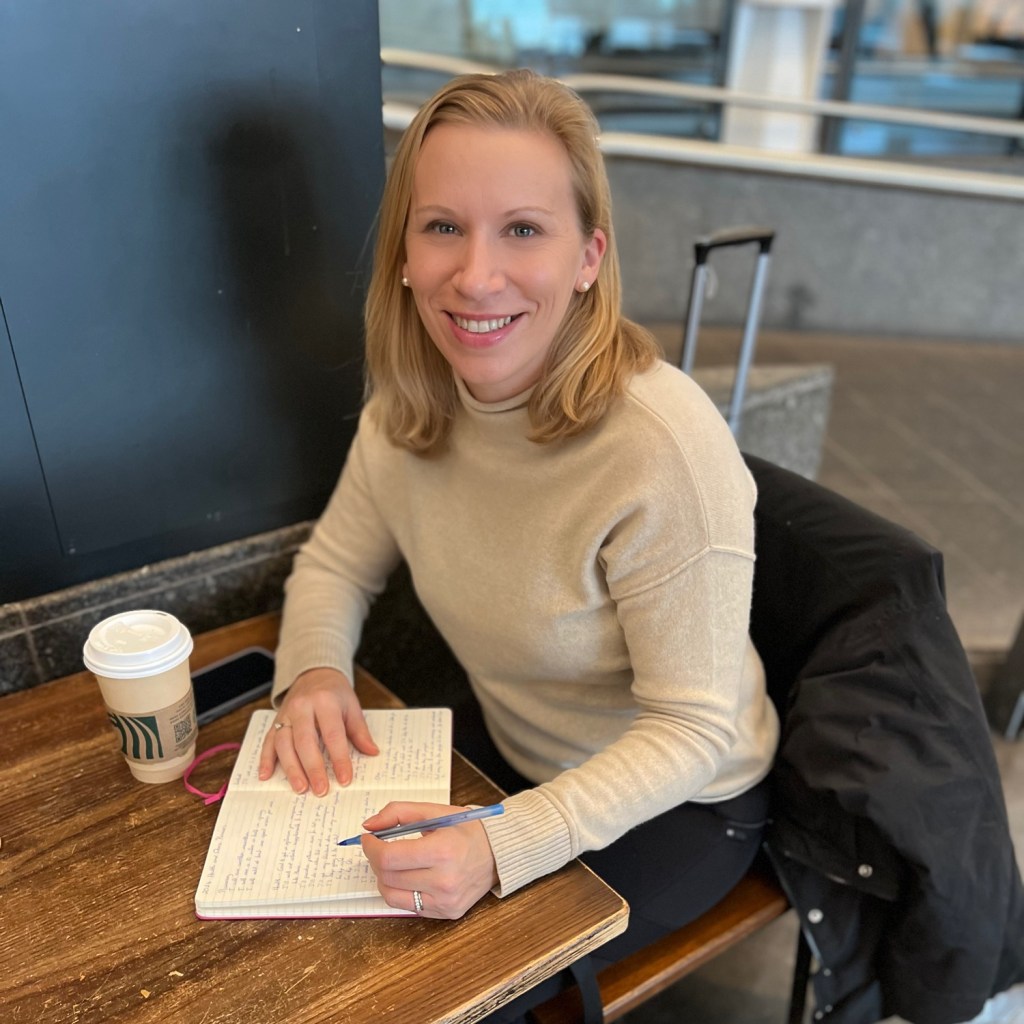
I love thinking about the year ahead, so although this process might seem long, it’s not something I do all at once. I usually do it over a week or so, when I’m feeling inspired and as part of my regular journaling process. I completed the first part of the process when I was at the airport in Montreal this afternoon (see photo above).
Step 1: Reflect on the previous year
The first step in my resolution-making process involves reflecting on the year gone by. I consider questions like:
- What goals did I successfully achieve and did I enjoy them?
- What activities brought me joy that I’d like to incorporate more into my life?
- Were there any unmet aspirations, and if so, what hindered their realization?
- Is there something entirely new I’d like to explore or attempt?
I document this reflection in my running journal. This book used to just be a place to record training plans and running data, but over the past few years, it’s developed into more of a space to reflect on both my running and exercise, as well as other things happening in my life, and of course, it still contains all the data! This retrospective analysis serves as a foundation for identifying patterns, learning from experiences, and shaping the direction of my upcoming resolutions. It also enables me to take away all the positives that I achieved in the previous year, and be grateful for the experiences I had.
Step 2: Envision the next year
The specific relevant content for this request, if necessary, delimited with characters: With insights from the previous year in mind, I take the time to envision the year ahead and what I’d enjoy achieving in it. I allow my goals to take the form of dreams and aspirations, avoiding the pressure of setting concrete and rigid objectives. This free-flowing exercise is captured in another journal entry, where I explore ideas without the constraints of specificity.
Step 3: Compile a list of dreams and aspirations
The specific relevant content for this request, if necessary, delimited with characters: From the stream of thoughts, ideas, and plans in Step 2, I compile a concrete list of aspirations for the upcoming year. These goals are still broad and expansive at this point, serving as a canvas from which I will later craft specific and attainable resolutions (SMART goals).
Step 4: Transform dreams into SMART goals
To ensure that my resolutions are realistic and achievable, I take the dreams and aspirations from Step 3 and begin transforming them into SMART goals. This involves making them Specific, Measurable, Achievable, Relevant, and Time-bound (you can read more about that here). Each goal becomes a tangible, actionable item with a clear roadmap for success.
Simultaneously, I strategically map out these SMART goals onto a simple calendar, considering when during the year I’d like to focus on each one. This step adds a layer of organization and helps in creating a balanced and sustainable approach to achieving my resolutions. It also ensures that I don’t overload myself or plan multiple things that can’t be achieved at the same time. For example, it’s not possible to train for a marathon if you want to go on a vacation and lie on a beach during peak mileage weeks!
By following the above steps, I get to enjoy transforming my ideas and dreams into a structured plan which promotes personal growth and fulfillment. I find that this process encourages introspection, creativity, and a proactive mindset, which ultimately leads me to create resolutions/goals that are not only exciting to me, but also realistic and attainable. I love waking up on the morning of January 1st with an outline of a plan for the year ahead, and I enjoy having new challenges to attack with purpose.
I’m interested to know about your New Year’s resolutions. Do you set fresh goals for the start of a new year? How do you decide what they will be? Happy New Year!
 trainingwithvicky.com
Leave a comment